Catholic Answers Live on St. Michael Catholic Radio addresses questions like this one regularly, and for anyone who wants to follow the conversation, the station is available to stream anytime online.
What Purgatory Is Not
Not a Second Chance
Purgatory is not an opportunity for those who rejected God in life to reconsider. Catholic teaching holds that purgatory is only for those who die in God’s grace and friendship, meaning those who are already saved. A person in purgatory is not in danger of going to hell. Their salvation is assured. What purgatory concerns, instead, is not whether they will be with God, but the condition in which they arrive.
Not a Middle Hell
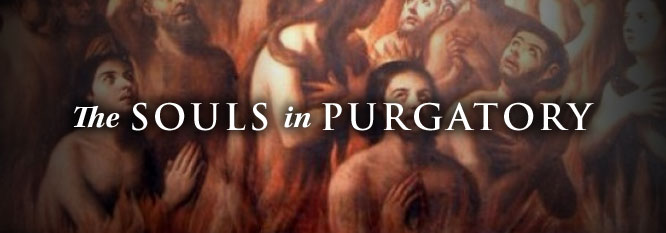
Purgatory is also not a lesser version of hell or an intermediate punishment for people who were not quite good enough for heaven. It is a state of purification, not condemnation. The souls in purgatory are moving toward God, not away from him. The experience of purification is described in Catholic tradition as involving genuine suffering, but it is the suffering of a process moving toward something good, not the suffering of those separated from God permanently.
Not Permanent
Everyone who enters purgatory will eventually reach heaven. There is no one in purgatory who will remain there forever. The purpose of purgatory is to prepare a soul for the full holiness that heaven requires, and once that preparation is complete, the soul enters the presence of God. In this sense, purgatory is entirely different in character from hell, which is permanent separation from God.
What Catholics Actually Believe
The Catechism’s Definition
The Catechism of the Catholic Church defines purgatory plainly in paragraph 1030: “All who die in God’s grace and friendship, but still imperfectly purified, are indeed assured of their eternal salvation; but after death they undergo purification, so as to achieve the holiness necessary to enter the joy of heaven.”
That definition contains several important elements. The person has died in God’s grace. Their salvation is assured. However, they are not yet fully purified, and the holiness of heaven requires full purification. Purgatory is the process by which that final purification happens.
The Logic Behind the Teaching
Catholic teaching draws a distinction between the forgiveness of sin and the full healing of the effects that sin leaves behind. A person who has sincerely repented of a sin and received forgiveness may still carry wounds from that sin, habits and attachments that have not yet been entirely healed. The Catholic understanding of God’s justice and mercy together holds that a soul cannot enter the perfect holiness of heaven while still carrying those imperfections, not because God is withholding heaven, but because the soul itself is not yet capable of receiving it fully.
An analogy sometimes used is that of a person who has been forgiven a debt but who still lives in the disorder the debt caused. The forgiveness is real. However, the restoration of order takes time and effort. Purgatory is understood as the final restoration of that order, entirely within God’s mercy and entirely oriented toward heaven.
On the Nature of Purification
The Catechism does not describe the specific nature of purgatory’s purification in detail. The Church teaches that it exists and that it is a real process, but does not define precisely what it consists of. Catholic tradition has used the image of fire drawn from Scripture, but this is understood as symbolic language for a real process whose full character remains beyond what human categories can describe.
What Scripture Says
2 Maccabees 12 and Prayer for the Dead
The Second Book of Maccabees, which is part of the Catholic biblical canon, describes Judas Maccabeus making atonement for Jewish soldiers who had died in battle. The passage concludes: “Therefore he made atonement for the dead, so that they might be delivered from their sin” (2 Maccabees 12:46). The act of praying and making offerings for the dead implies that those who have died can still benefit from such prayer, which in turn implies a state between death and final judgment in which such benefit is possible.
Matthew 12:32 and Forgiveness in the Age to Come
In the twelfth chapter of Matthew’s Gospel, Jesus says that speaking against the Holy Spirit “will not be forgiven, either in this age or in the age to come” (Matthew 12:32). Catholic tradition has long noted that this statement implies the possibility of forgiveness in the age to come for sins other than the one Jesus specifies. If no forgiveness were possible after death, the qualification “in the age to come” would be meaningless.
1 Corinthians 3 and Salvation Through Fire
In the third chapter of Paul’s first letter to the Corinthians, he describes the testing of a person’s work: “If the work is burned up, the builder will suffer loss; the builder will be saved, but only as through fire” (1 Corinthians 3:15). The image here is of a person whose work does not survive testing but who is nonetheless saved, though through a purifying process described as fire. Catholic tradition has understood this passage as consistent with the teaching on purgatory: a final purification that does not negate salvation but refines what reaches heaven.
Why This Matters for Catholic Life
Prayer for the Dead
One of the most concrete expressions of the Catholic belief in purgatory is the practice of praying for the dead. Catholics at Mass regularly include prayers for those who have died. The feast of All Souls on November 2nd is dedicated specifically to prayer for the faithful departed. Requiem Masses are offered for the souls of the dead. All of these practices flow directly from the belief that those in purgatory can be helped by the prayers of those still living, and that death does not end the bonds of charity between members of the Church.
This is also connected to the broader Catholic understanding of the Communion of Saints, the unity of all members of the Church across death. If the living can ask the saints in heaven to pray for them, they can also pray for those still being purified. The charity that holds the Church together does not stop at the boundary of physical death.
A Teaching Grounded in Mercy
The Catholic teaching on purgatory is ultimately a teaching about mercy. It holds that God does not simply discard those who come to him imperfectly. He finishes the work of sanctification that began in life. No soul that dies in his friendship is lost. The process of being made fully ready for heaven is itself an act of God’s love, not a penalty imposed from outside but a transformation worked from within.
Hearing This Discussed on St. Michael Radio
Questions about purgatory come up regularly on Catholic radio on 94.9 FM Tulsa, particularly on Catholic Answers Live, which airs weekdays at 5 PM. The show takes live calls and addresses questions about Catholic teaching with the same clarity and calm that the subject deserves. The full weekday schedule is available at stmichaelsradio.com/programs for anyone who wants to plan listening around the broader daily lineup.
Sources
- Catechism of the Catholic Church, paragraphs 1030–1032
- New Revised Standard Version of the Bible
- Program schedule sourced from stmichaelsradio.com/programs (captured June 2026)
12 Flashcard Q&As
Q1: What is purgatory in Catholic teaching? A: A state of purification after death for those who die in God’s grace and friendship but are not yet fully purified. It is described in the Catechism of the Catholic Church in paragraph 1030.
Q2: Is purgatory a second chance at salvation? A: No. Purgatory is only for those who have already died in God’s friendship. Their salvation is assured. Purgatory concerns purification, not salvation itself.
Q3: Is purgatory the same as hell? A: No. Hell is permanent separation from God. Purgatory is a process of purification that leads to heaven. Every soul in purgatory will eventually be fully united with God.
Q4: Who goes to purgatory? A: Those who die in God’s grace but are still imperfectly purified. The Catechism states that such souls are assured of eternal salvation but undergo purification before entering heaven.
Q5: What is the scriptural basis for purgatory? A: Catholic teaching draws on 2 Maccabees 12:46, which describes making atonement for the dead; Matthew 12:32, which implies the possibility of forgiveness in the age to come; and 1 Corinthians 3:15, which describes being saved “as through fire.”
Q6: What does 1 Corinthians 3:15 say about purgatory? A: It describes a person whose work is burned up in testing but who “will be saved, but only as through fire.” Catholic tradition understands this as consistent with a final purification that does not negate salvation but refines what enters heaven.
Q7: What does 2 Maccabees 12:46 say? A: It describes making atonement for the dead “so that they might be delivered from their sin,” implying that those who have died can benefit from the prayers of the living, which in turn implies a state in which such benefit is possible.
Q8: Why do Catholics pray for the dead? A: Because Catholic teaching holds that those in purgatory can be helped by the prayers of the living. Prayer for the dead is a direct expression of the belief in purgatory and in the unity of all members of the Church across death.
Q9: Is purgatory permanent? A: No. Every soul in purgatory will eventually reach heaven. Purgatory is a process with an end, not a permanent state.
Q10: How does purgatory relate to the forgiveness of sin? A: Catholic teaching distinguishes between the forgiveness of sin and the full healing of sin’s effects. Purgatory addresses the latter. A person may be forgiven while still carrying habits or attachments that require further healing before they are capable of receiving heaven fully.
Q11: Does the Catholic Church teach specifically what purgatory is like? A: No. The Church teaches that purgatory exists and that it is a real process of purification, but does not define precisely what that process consists of. The image of fire used in Catholic tradition is understood as symbolic language rather than a literal description.
Q12: Where can I hear purgatory discussed on Catholic radio in Tulsa? A: Catholic Answers Live airs weekdays at 5 PM on 94.9 FM Tulsa and addresses this topic regularly. The station is also available to stream at stmichaelsradio.com/listen.